Vartonex is currently out of stock | Join the list for product availability
Vartonex
The Botanicals Behind the Formulas

Rooted in nature.
Explored through science.

The 14 botanicals in the two formulas, with selected findings on inflammatory responses, stress, and vector-borne pathogens, and a direct link to the research behind each summary.

i

Ingredient research, in context

Most infection-related findings below come from laboratory experiments, not treatment trials in people. Extracts, doses, and preparations differ from our formulas. These studies do not establish that Vartonex treats any infection or disease.

Immune Support

Botanicals studied for inflammatory responses and activity against selected pathogens.

7 Ingredients · Immune Formula
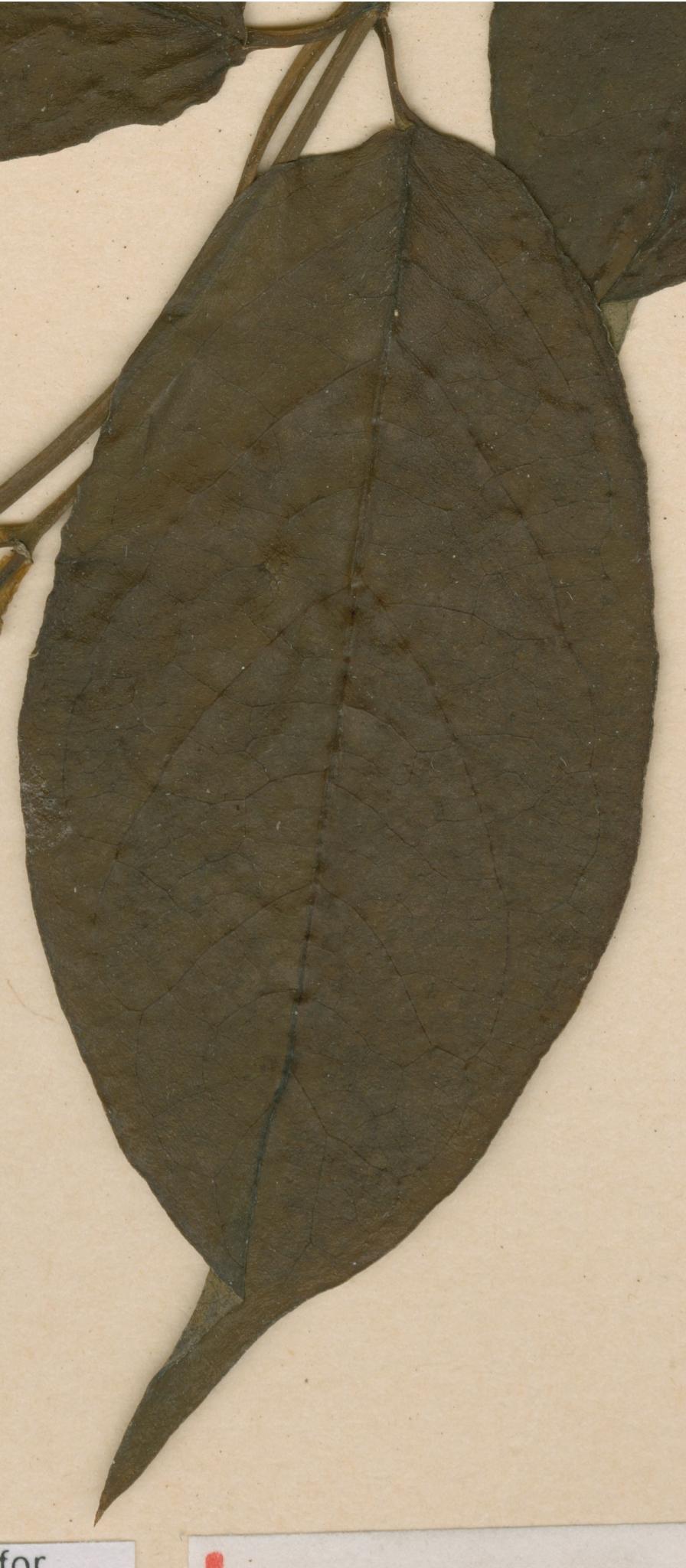
Preserved Cryptolepis sanguinolenta specimen
Preserved botanical specimen, species reference, not root

Cryptolepis

Cryptolepis sanguinolenta
Root · 378 mg per serving
Vector-borne pathogen research

Cryptolepis extracts inhibited Borrelia burgdorferi, the bacterium that causes Lyme disease, in laboratory cultures. Separate experiments found activity against Babesia duncani in infected red blood cells. These findings make this botanical a candidate for further pathogen-focused research.

Laboratory research
Read 2 studies
  1. Evaluation of Natural and Botanical Medicines for Activity Against Growing and Non-growing Forms of B. burgdorferi
  2. Botanical Medicines Cryptolepis sanguinolenta, Artemisia annua, Scutellaria baicalensis, Polygonum cuspidatum, and Alchornea cordifolia Demonstrate Inhibitory Activity Against Babesia duncani
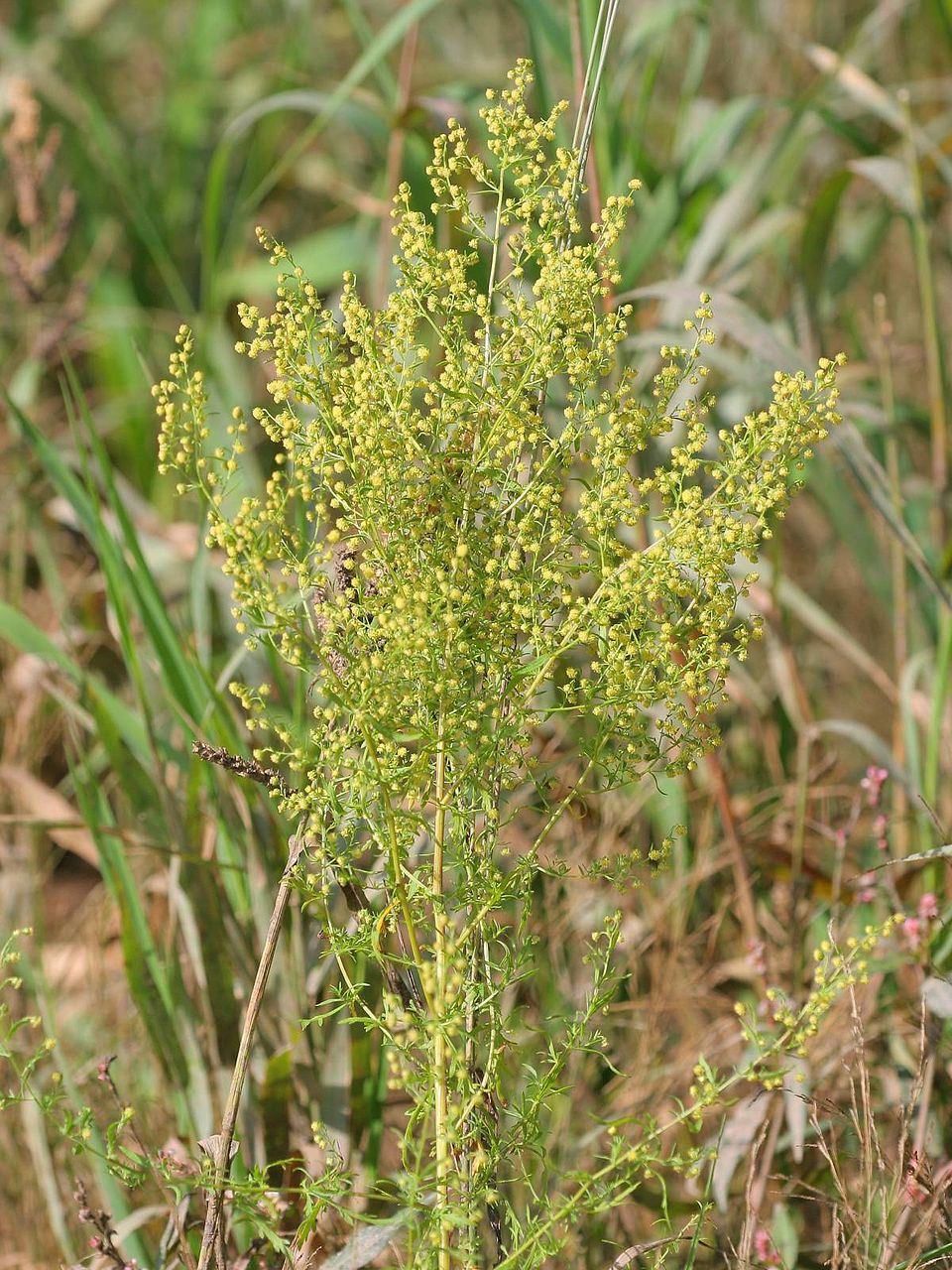
Sweet wormwood leaves on the living plant
Sweet wormwood, leaves on the living plant

Artemisia annua

Artemisia annua
Leaf · 252 mg per serving
Vector-borne pathogen research

Also known as sweet wormwood, Artemisia annua showed activity against Borrelia burgdorferi and Babesia duncani in laboratory extract studies. The research offers an early scientific basis for exploring this botanical's effects on these specific vector-borne pathogens.

Laboratory research
Read 2 studies
  1. Evaluation of Natural and Botanical Medicines for Activity Against Growing and Non-growing Forms of B. burgdorferi
  2. Botanical Medicines Cryptolepis sanguinolenta, Artemisia annua, Scutellaria baicalensis, Polygonum cuspidatum, and Alchornea cordifolia Demonstrate Inhibitory Activity Against Babesia duncani
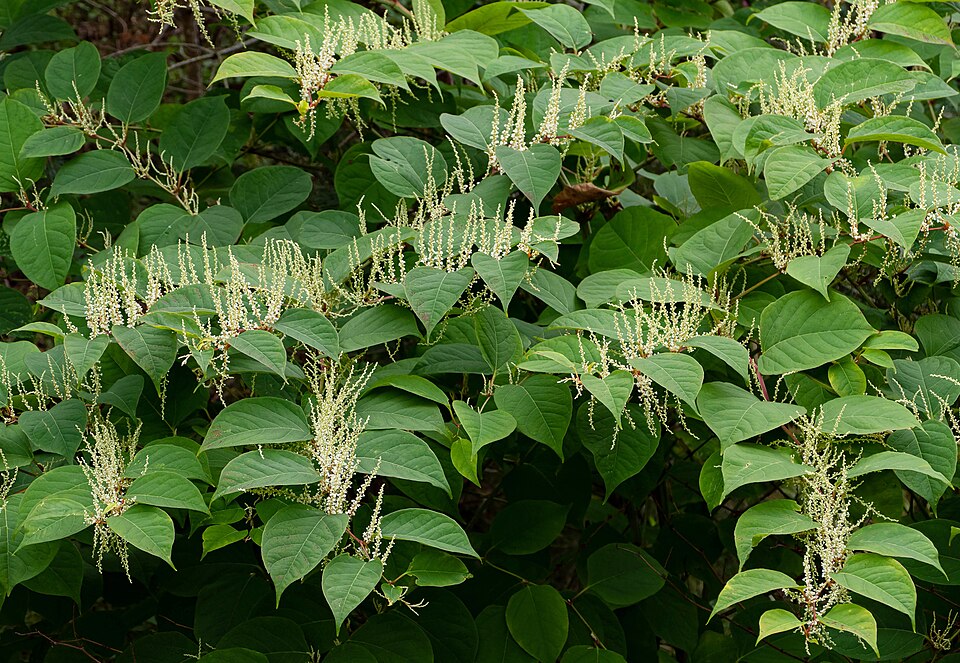
Japanese knotweed plant
Japanese knotweed, plant reference, not root

Japanese Knotweed

Polygonum cuspidatum
Root · 420 mg per serving
Inflammatory markers & pathogen research

A six-week trial in 20 healthy adults found that a resveratrol-containing extract reduced measured inflammatory and oxidative-stress markers. Laboratory extract studies also found activity against Borrelia burgdorferi and Babesia duncani. The human study used a standardized extract.

Human researchLaboratory research
Read 3 studies
  1. An antiinflammatory and reactive oxygen species suppressive effects of an extract of Polygonum cuspidatum containing resveratrol
  2. Evaluation of Natural and Botanical Medicines for Activity Against Growing and Non-growing Forms of B. burgdorferi
  3. Botanical Medicines Cryptolepis sanguinolenta, Artemisia annua, Scutellaria baicalensis, Polygonum cuspidatum, and Alchornea cordifolia Demonstrate Inhibitory Activity Against Babesia duncani
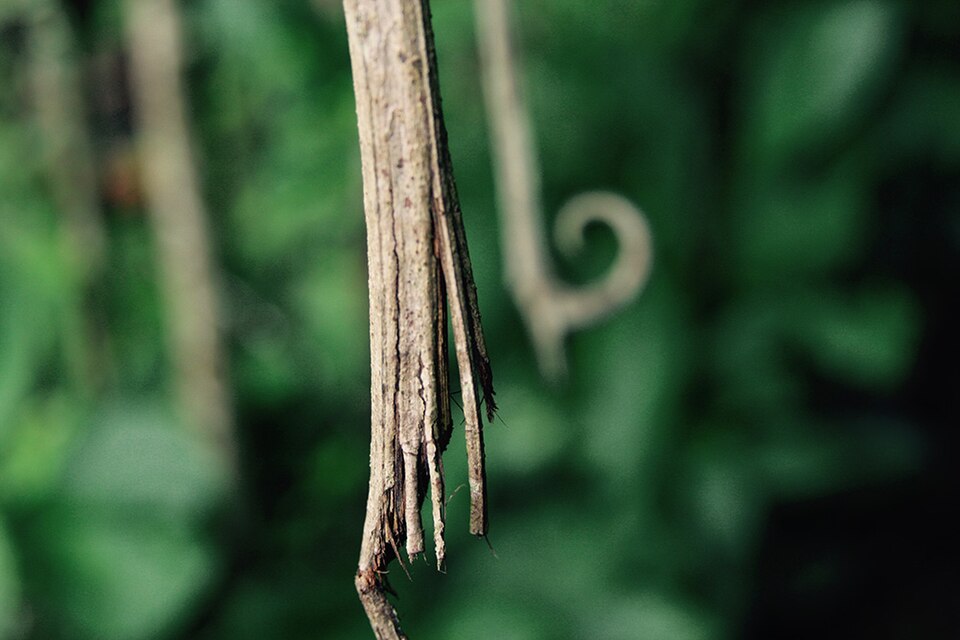
Cat's claw bark and curved spine on the stem
Cat's claw, bark and curved spine on the stem

Cat's Claw

Uncaria tomentosa
Bark · 252 mg per serving
Joint comfort & pathogen research

A small trial in 40 people receiving rheumatoid arthritis medication found modest improvements in tender-joint counts with a purified cat's claw extract. Separately, laboratory researchers observed activity against Borrelia burgdorferi, connecting this botanical to both joint-comfort and pathogen research.

Human researchLaboratory research
Read 2 studies
  1. Randomized double blind trial of an extract from the pentacyclic alkaloid-chemotype of Uncaria tomentosa for the treatment of rheumatoid arthritis
  2. Evaluation of Natural and Botanical Medicines for Activity Against Growing and Non-growing Forms of B. burgdorferi
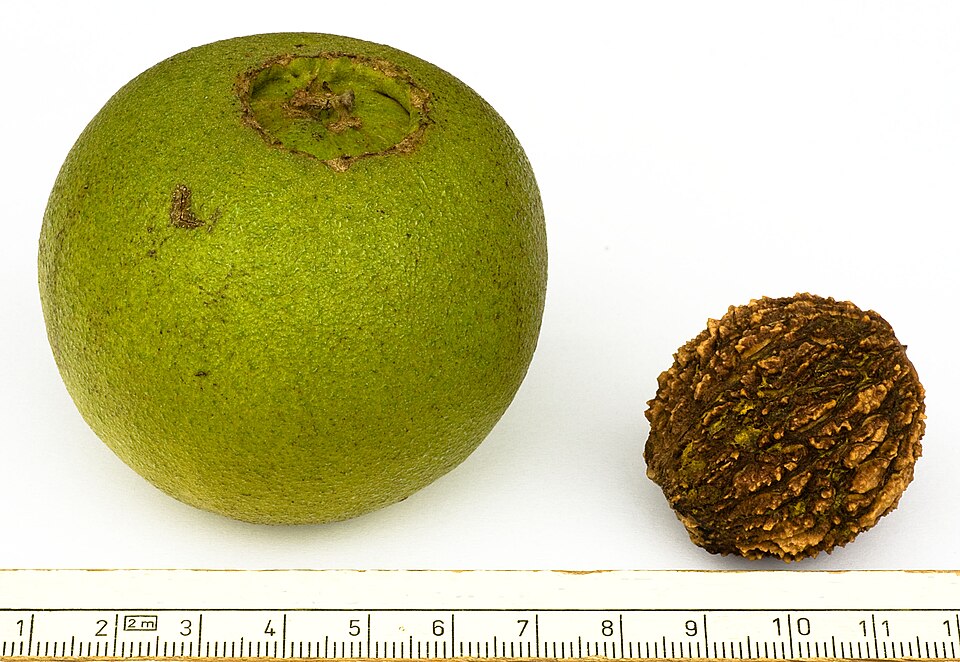
Black walnut fruit with its outer hull
Black walnut, fruit with its outer hull

Black Walnut

Juglans nigra
Hull · Part of 800 mg blend per serving
Vector-borne pathogen research

Black walnut extracts demonstrated activity against Borrelia burgdorferi in laboratory cultures, including non-growing forms studied by the researchers. These early findings support continued investigation of the botanical's antimicrobial potential.

Laboratory researchContains tree nuts
Read the study
  1. Evaluation of Natural and Botanical Medicines for Activity Against Growing and Non-growing Forms of B. burgdorferi
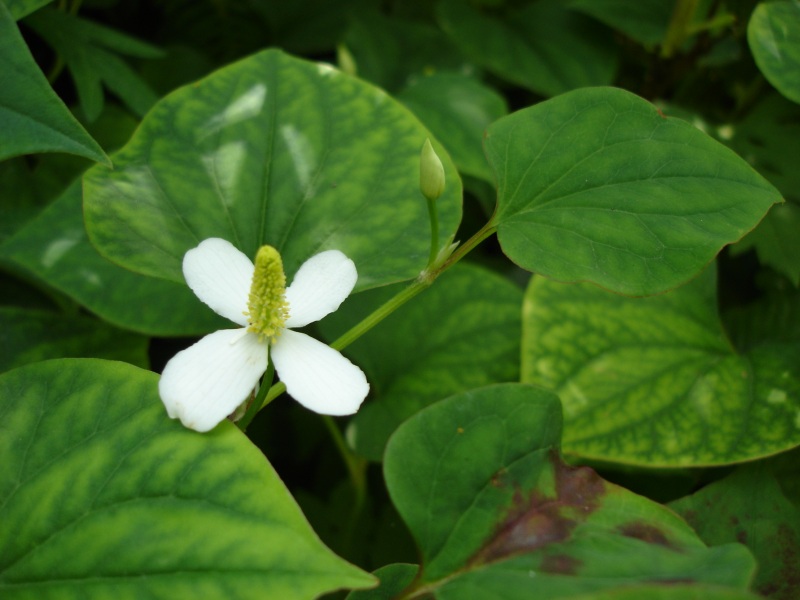
Houttuynia fresh leaves and flowers
Houttuynia, fresh leaves and flowers

Houttuynia

Houttuynia cordata
Aerial parts · Part of 800 mg blend per serving
Inflammatory signaling

A fraction of Houttuynia extract reduced inflammatory mediators, including TNF-α and IL-6, in stimulated immune cells. Researchers linked these effects to changes in NF-κB and MAPK signaling, pathways involved in the body's inflammatory response.

Cell research
Read the study
  1. An ethyl acetate fraction derived from Houttuynia cordata extract inhibits the production of inflammatory markers by suppressing NF-κB and MAPK activation in lipopolysaccharide-stimulated RAW 264.7 macrophages
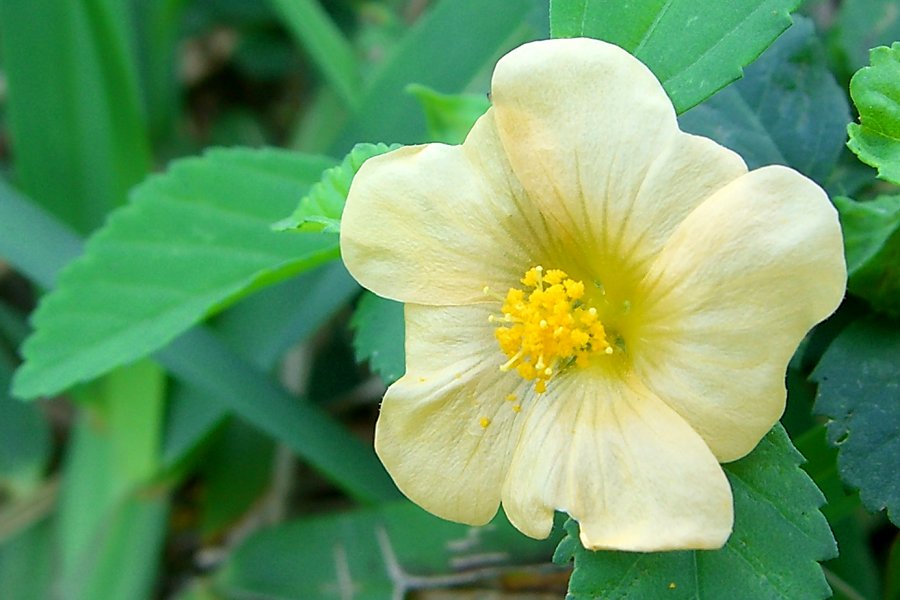
Sida acuta living aerial parts
Sida acuta, living aerial parts

Sida acuta

Sida acuta
Aerial parts · Part of 800 mg blend per serving
Malaria-parasite research

Sida acuta extracts inhibited Plasmodium falciparum, a mosquito-borne malaria parasite, in laboratory testing. Researchers identified cryptolepine as an active constituent. This is malaria-parasite research; it should not be generalized to other vector-borne infections.

Laboratory research
Read the study
  1. Studies on medicinal plants of Ivory Coast: investigation of Sida acuta for in vitro antiplasmodial activities and identification of an active constituent

Contains tree nuts. Black walnut, Houttuynia, and Sida acuta share an 800 mg proprietary blend; individual amounts are not disclosed.

Inflammatory Response Support

Botanicals studied for inflammatory signaling, stress response, and fatigue.

7 Ingredients · Inflammatory Response Formula
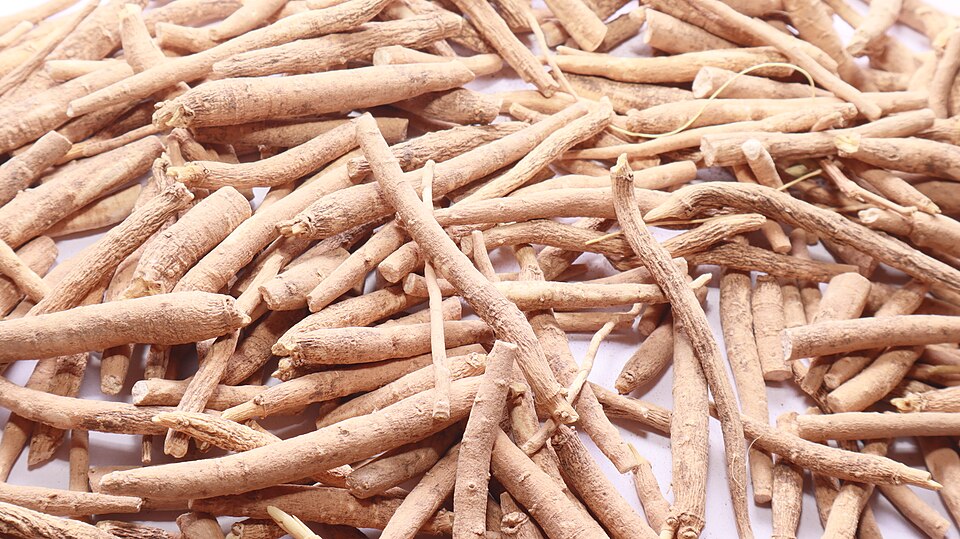
Dried ashwagandha roots
Ashwagandha, dried roots

Ashwagandha

Withania somnifera
Root · 231 mg per serving
Stress response

In a randomized 60-day study involving 64 stressed adults, a concentrated root extract improved perceived stress and lowered cortisol compared with placebo. The trial used a specific standardized extract at 300 mg twice daily, offering preliminary human evidence for stress-response benefits.

Human research
Read the study
  1. A prospective, randomized double-blind, placebo-controlled study of safety and efficacy of a high-concentration full-spectrum extract of ashwagandha root in reducing stress and anxiety in adults
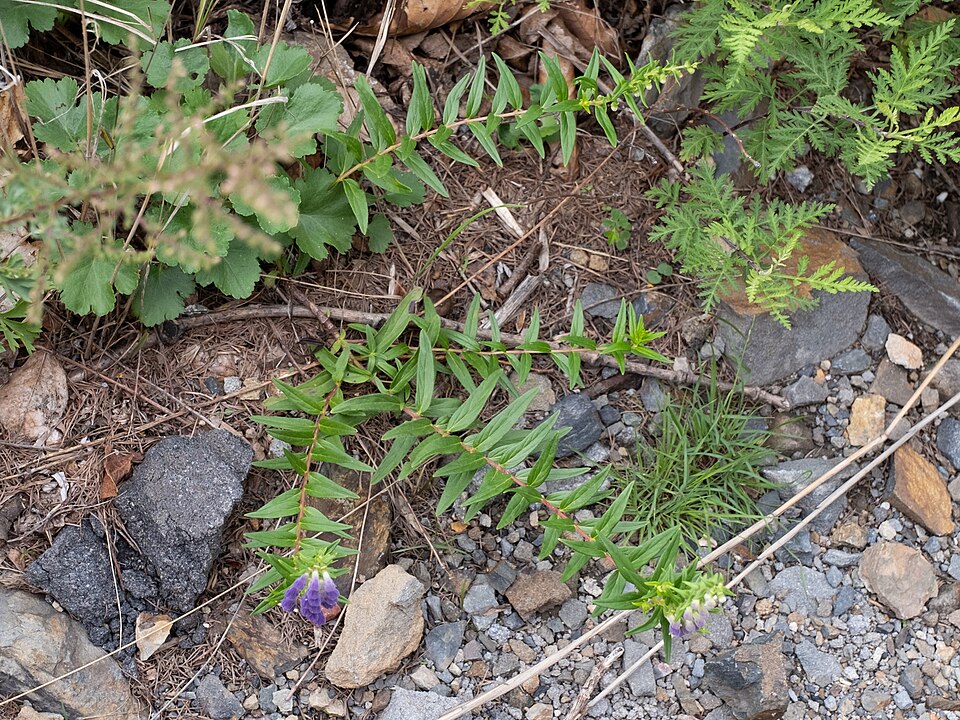
Chinese skullcap plant
Chinese skullcap, plant reference, not root

Chinese Skullcap

Scutellaria baicalensis
Root · 95 mg per serving
Inflammatory signaling & pathogen research

A wogonin-rich root-extract fraction reduced inflammatory and cartilage-breakdown markers in human cartilage cells studied in the laboratory. Separate extract studies reported activity against Borrelia burgdorferi and Babesia duncani, supporting further research into inflammatory responses and pathogen activity.

Laboratory research
Read 3 studies
  1. A wogonin-rich-fraction of Scutellaria baicalensis root extract exerts chondroprotective effects by suppressing IL-1β-induced activation of AP-1 in human OA chondrocytes
  2. Evaluation of Natural and Botanical Medicines for Activity Against Growing and Non-growing Forms of B. burgdorferi
  3. Botanical Medicines Cryptolepis sanguinolenta, Artemisia annua, Scutellaria baicalensis, Polygonum cuspidatum, and Alchornea cordifolia Demonstrate Inhibitory Activity Against Babesia duncani
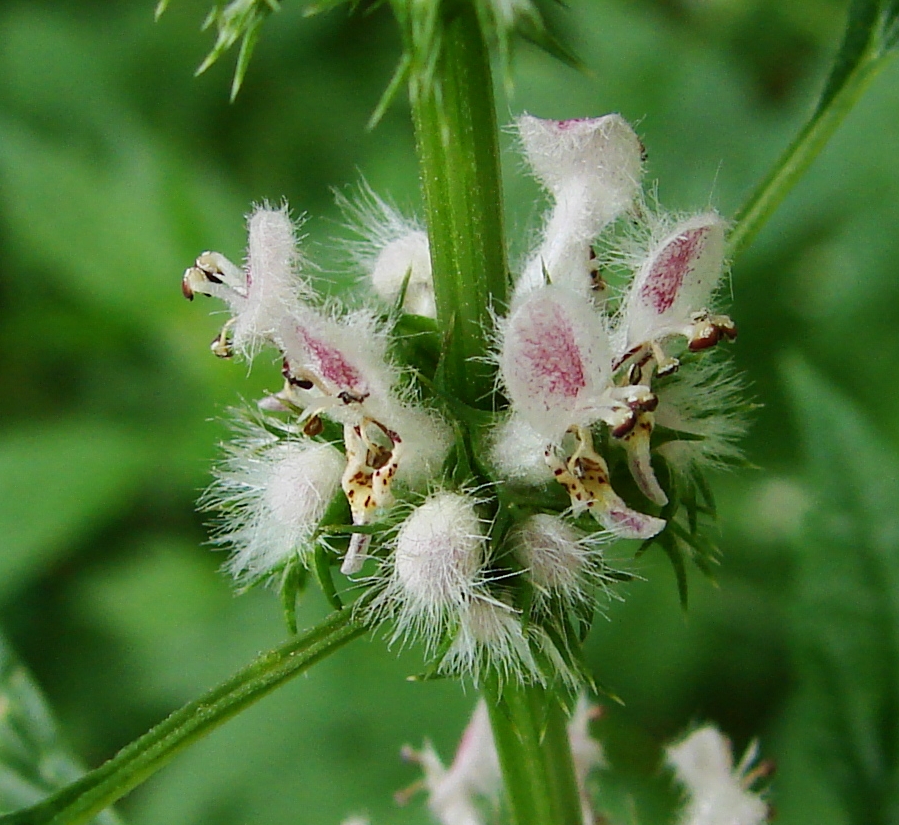
Motherwort flowering aerial parts
Motherwort, flowering aerial parts

Motherwort

Leonurus cardiaca
Aerial parts · 47 mg per serving
Inflammatory signaling & antioxidants

A polyphenol-rich motherwort extract showed antioxidant activity and reduced stimulated release of platelet-activating factor in laboratory studies of blood-vessel lining cells. These findings offer a basis for investigating how motherwort compounds influence inflammatory responses.

Cell research
Read the study
  1. The immunomodulatory potential of Leonurus cardiaca extract in relation to endothelial cells and platelets
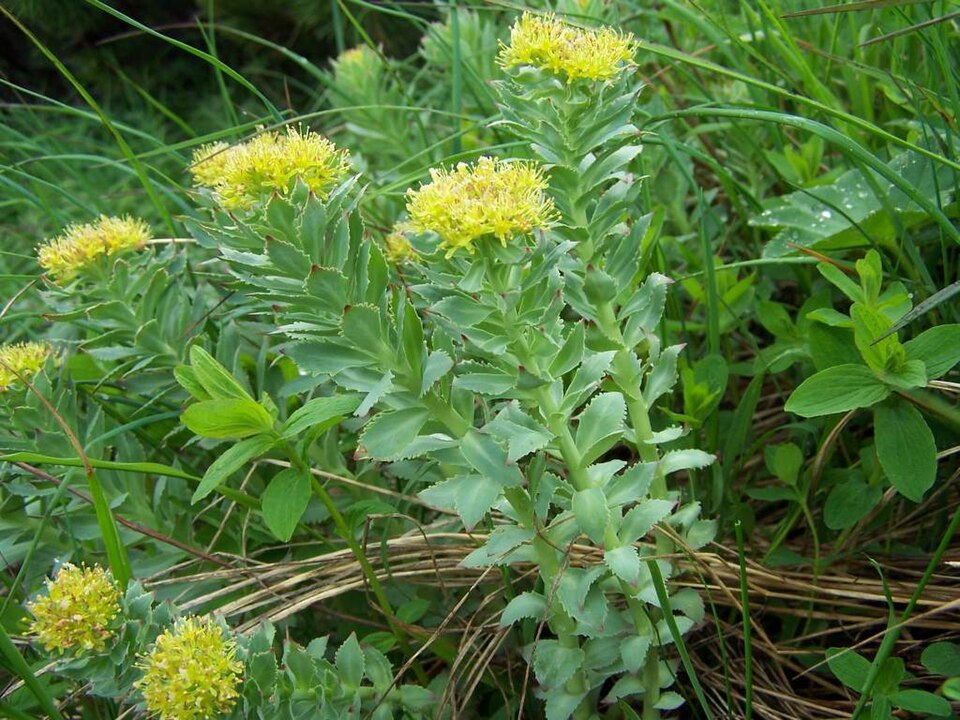
Rhodiola rosea plant
Rhodiola, plant reference, not root

Rhodiola

Rhodiola rosea
Root · 231 mg per serving
Stress-related fatigue & concentration

In a four-week randomized trial of 60 adults with stress-related fatigue, a standardized root extract improved fatigue and some measures of attention compared with placebo. The findings provide preliminary human evidence related to stress-associated energy and concentration.

Human research
Read the study
  1. A randomised, double-blind, placebo-controlled, parallel-group study of the standardised extract SHR-5 of the roots of Rhodiola rosea in the treatment of subjects with stress-related fatigue
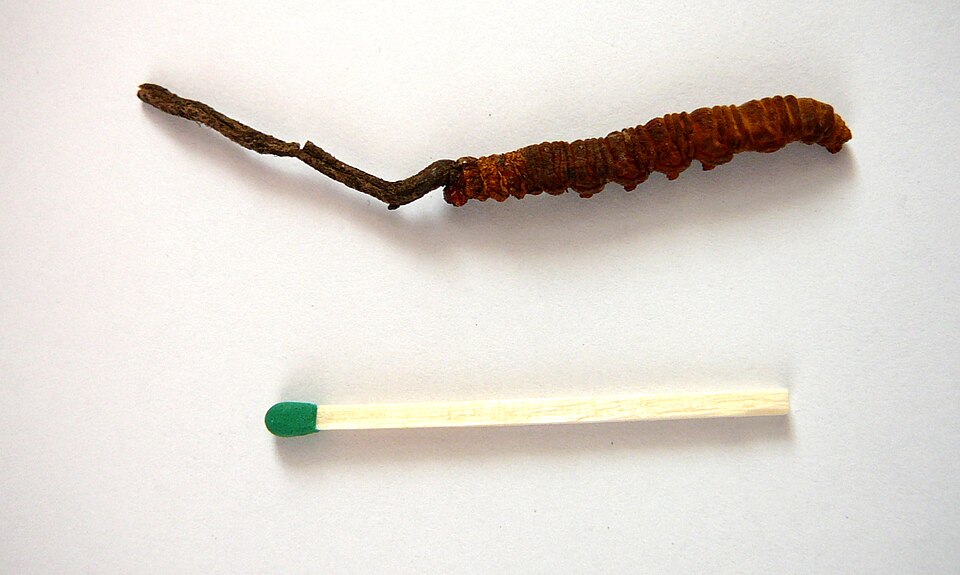
Whole caterpillar fungus
Whole caterpillar fungus, species reference, not mycelium

Cordyceps

Cordyceps sinensis
Mycelium · Part of 430 mg blend per serving
Inflammatory signaling

Purified polysaccharides from a Cordyceps sinensis Cs-HK1 fermentation broth reduced inflammatory signaling in cells and inflammation-related intestinal injury in mice. This research explores a specific isolated fraction, rather than whole mycelium, and its effects on inflammatory-response pathways.

Cell researchAnimal research
Read the study
  1. Anti-inflammation activity of exopolysaccharides produced by a medicinal fungus Cordyceps sinensis Cs-HK1 in cell and animal models
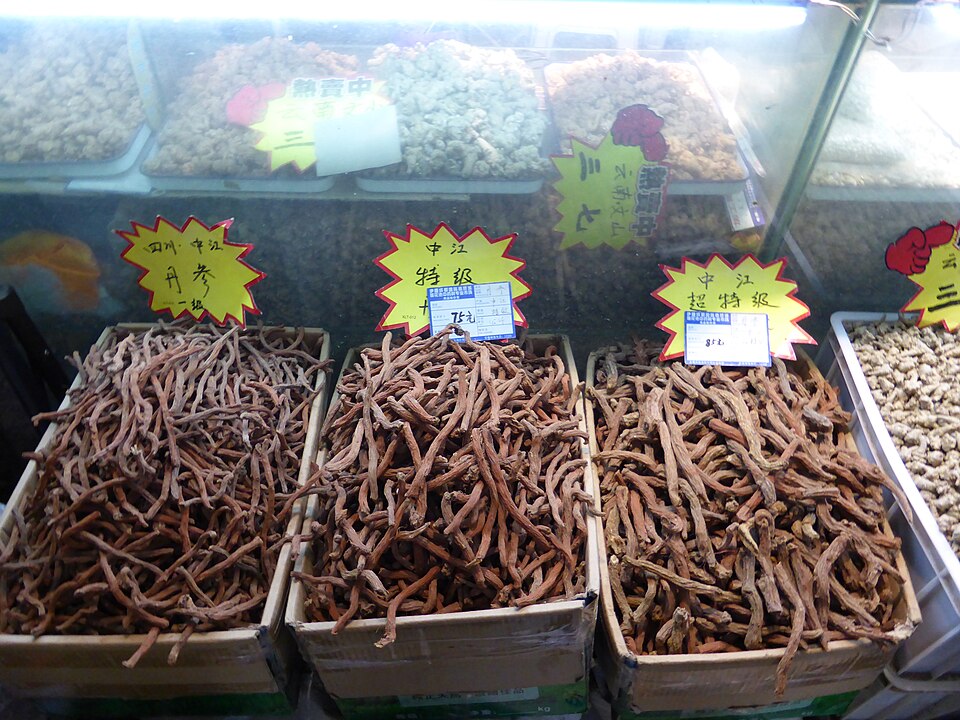
Dried red sage roots
Red sage (danshen), dried roots

Red Sage

Salvia miltiorrhiza
Root · Part of 430 mg blend per serving
Inflammatory response mechanisms

Also known as danshen, red sage yielded a standardized, tanshinone-rich fraction that reduced inflammatory signaling in macrophages and swelling in rat models of acute inflammation. These preclinical findings support further study of the botanical's inflammation-related mechanisms.

Cell researchAnimal research
Read the study
  1. PF2401-SF, standardized fraction of Salvia miltiorrhiza shows anti-inflammatory activity in macrophages and acute arthritis in vivo
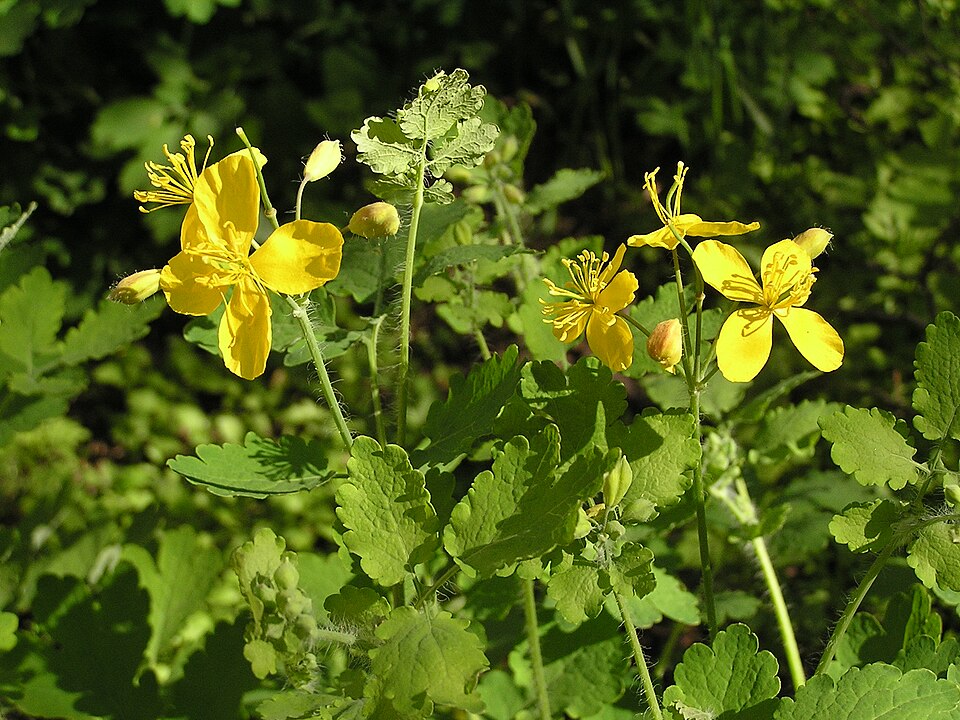
Greater celandine flowers and aerial parts
Greater celandine, flowers and aerial parts

Greater Celandine

Chelidonium majus
Aerial parts · Part of 430 mg blend per serving
Botanical research

Greater celandine is included as aerial parts in the Inflammatory Response Support proprietary blend. Published animal research has examined different herb-extract fractions. Findings are preliminary and vary by preparation; clinical benefits have not been established by the cited study.

Animal researchMixed findings
Read the study
  1. Evaluation of anti-inflammatory and analgesic activities of extracts from herb of Chelidonium majus L.

Cordyceps, red sage, and greater celandine share a 430 mg proprietary blend; individual amounts are not disclosed.

Understanding the evidence

Every summary on this page names what kind of study it came from. Here is what those labels mean, and what they do not mean.

Human research

A study enrolled people. The small trials cited here evaluated specific extracts and populations; they did not test Vartonex.

Laboratory and animal research

These explore possible biological effects. Activity against a pathogen in a culture does not show that an ingredient will reach an effective concentration, be safe, or treat an infection in a person.

What this page is

A selected research overview, not a complete evidence or safety review. Botanical photos show raw materials or clearly labeled species references, not the actual materials in your bottle. Amounts follow the supplied formula panels; blend totals are not individual ingredient doses.

Before you use a supplement

Suspected vector-borne infections need medical evaluation. Supplements should not replace prescribed treatment. Consult your healthcare professional about medications, medical conditions, pregnancy, or nursing.

Botanical photo credits

Images are resized for display and may be cropped by the layout.